
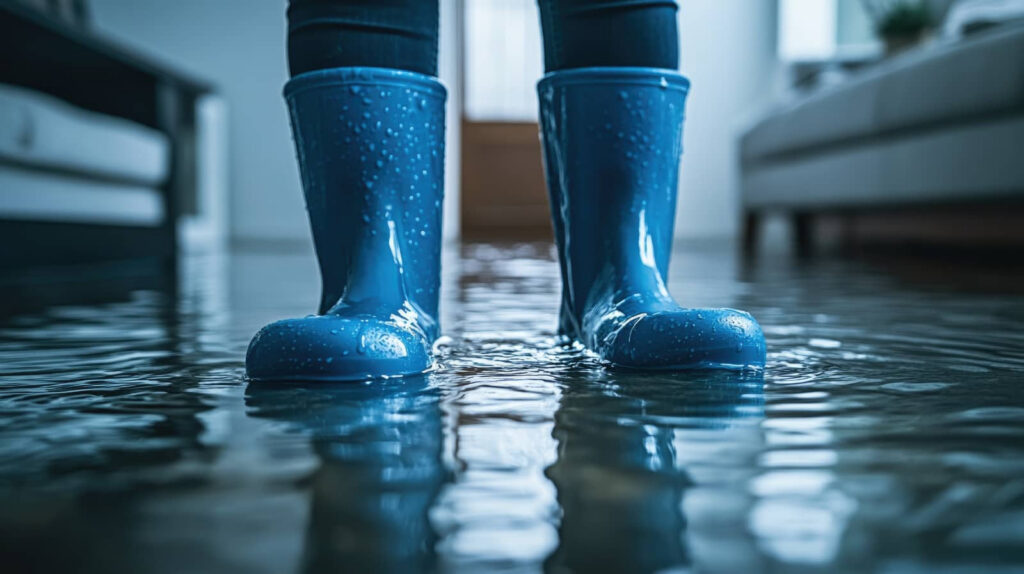
How quickly should water damage be cleaned up? Water damage should be addressed as soon as possible, ideally within the first 24 to 48 hours, to help reduce further damage and the risk of mold growth. During this time, moisture can spread into drywall, flooring, insulation, and furniture, weakening materials and creating conditions for mold growth. Prompt water damage cleanup helps limit structural damage, reduce potential health risks, and improve drying results. However, hidden moisture can remain trapped behind walls and beneath floors, making a professional inspection essential to identify lingering problems before they become more costly to repair.
Key Takeaways
- Water damage should be cleaned up within 24 to 48 hours to limit deterioration and mold growth.
- Stop the water source immediately and remove standing water as fast as possible.
- Fast drying helps prevent moisture from spreading into walls, floors, and hidden materials.
- Delays increase structural damage, cleanup complexity, and the risk of mold within 24 to 48 hours.
- Call a water damage professional for large areas, contaminated water, electrical hazards, or persistent moisture.
How Fast Should Water Damage Be Cleaned Up?
Water damage should be cleaned up as quickly as possible, ideally within 24 to 48 hours, to limit moisture spread, material deterioration, and mold growth.
If you’re asking how quickly should water damage be cleaned up, the answer is: immediately, before absorbed water can move deeper into drywall, flooring, and insulation.
You’ll protect structural components by extracting standing water, drying surfaces, and reducing indoor humidity with targeted airflow.
Fast response also helps you stay ahead of hidden dampness that can weaken materials and invite microbial growth.
When you act quickly, you join a prepared group of owners who value control, safety, and restoration.
Use trained professionals when needed, because precise drying and monitoring improve outcomes and reduce avoidable losses without delay.
What Happens in the First 24 Hours?
During the first 24 hours, you need to stop the source, remove standing water, and start aggressive drying before moisture spreads into porous materials.
You’ll usually see water migrate under baseboards, into carpet padding, and behind trim, so quick extraction matters. Your team should map affected areas, lift wet materials when needed, and place air movers and dehumidifiers to pull moisture out of surfaces.
You can also document the damage for your records and insurance. Keep walking paths clear, isolate the wet zone, and monitor humidity and surface readings so you know drying is working.
When you act this fast, you protect the structure, keep the job organized, and stay in control with a trusted response.
Why Waiting Increases Damage and Mold Risk
If you wait, moisture can spread into adjacent materials and make cleanup more complex.
As water remains in place, structural damage can worsen as drywall, flooring, and framing absorb it.
Mold can also begin developing quickly, so prompt drying and removal help reduce risk.
Moisture Spreads Fast
Once moisture enters a structure, it spreads quickly through porous materials, gaps, and hidden cavities. Every hour of delay can increase the affected area and the risk of mold growth.
You may only see a damp spot, but water often wicks into drywall, insulation, trim, and subfloor seams. Warm indoor air and trapped humidity help it move farther, faster.
If you respond promptly, you can contain the source, remove standing water, and lower moisture levels before spores can colonize. That quick action helps your home stay safer and helps your family feel confident during cleanup.
You’re not overreacting when you act early; you’re using the right timing to protect your space, reduce uncertainty, and support a faster return to normal.
Structural Damage Grows
As moisture lingers, structural materials begin to weaken, swell, and lose integrity, increasing both repair costs and mold risk.
You’ll see drywall soften, wood framing distort, and subfloors lose stiffness as water keeps moving through joints and seams. If you wait, fasteners can corrode, adhesives can fail, and load-bearing components may start to shift out of alignment.
That means the damage doesn’t stay cosmetic; it becomes structural. You can protect your home by acting quickly, documenting affected areas, and arranging professional drying before the materials stay saturated too long.
When you respond early, you’re not just stopping visible harm—you’re preserving the structure your household depends on and keeping the space safer, more stable, and easier to restore.
Mold Starts Quickly
Mold can start growing within 24 to 48 hours after water exposure, especially when materials stay damp and airflow is poor.
When you delay cleanup, you give spores time to colonize drywall, insulation, carpet, and wood. That growth can happen inside wall cavities before you notice visible spots or odors. You’ll also raise the chance of musty air, staining, and more costly remediation.
If you act fast, you limit moisture, protect indoor air quality, and keep your space safer for everyone who lives or works there.
Start by stopping the water source, removing wet materials, and drying surfaces with strong ventilation and dehumidification.
If affected areas are large or hidden, bring in a qualified restoration team so you’re not handling the risk alone.
How Water Spreads Through Walls, Floors, and Furniture
You’ll see water move through walls by wicking along drywall, insulation, and framing gaps, so visible surface moisture often underestimates the affected area.
Floors and furniture can absorb water quickly, especially at seams, joints, and porous materials, which lets damage spread below what you can see. Fast extraction and drying help stop that movement before materials stay saturated and deterioration sets in.
Wall Wicking Paths
Water can travel fast through hidden wicking paths in walls, floors, and furniture, so cleanup should start before the moisture spreads farther than the original spill or leak.
When drywall, insulation, or framing absorbs water, it can move upward and sideways through capillary action, even if the surface looks only lightly affected. You should inspect baseboards, corners, outlets, and trim for dampness, staining, or soft spots.
Quick drying helps you protect the structure and stay ahead of hidden damage. If you belong to a building with shared walls or finishes, prompt action also reduces the chance of spreading impact to nearby spaces.
Use targeted extraction, airflow, and dehumidification right away, then verify dryness with meters so you can trust the wall assembly is returning to safe conditions.
Floor And Furniture Absorption
Floors and furniture can absorb moisture quickly, pulling it into padding, seams, joints, and sublayers before the visible surface looks severely wet. You may see a small spill, but wood, carpet, upholstery, and underlayment can keep drawing water sideways and downward.
That means the damage often extends beyond what you can touch or see. If you act fast, you can limit swelling, staining, delamination, and odor. You should lift area rugs, move cushions, and expose wet edges so air can reach trapped moisture.
Check furniture feet, baseboards, and floor joints for hidden dampness. When you respond early, you protect your home and stay in control. You’re not dealing with this alone—quick cleanup gives your space the best chance to dry cleanly and safely.
When Mold Starts After Water Damage
If moisture lingers after a leak or flood, mold can begin developing in as little as 24 to 48 hours.
You’ll often see the first growth on damp drywall, carpet backing, insulation, and hidden cavities where air moves slowly.
Warm temperatures, high humidity, and porous materials speed colonization, so your timeline matters.
Even when surfaces look dry, trapped moisture can keep spores active and let colonies spread behind walls or under flooring.
You’re not alone in facing this; many homes need prompt drying to stay safe and stable.
When you act quickly, you reduce the chance that mold takes hold and preserve more of your building materials.
Careful monitoring helps you catch early changes before they become a larger indoor air concern.
What to Do Right After Water Damage
First, shut off the water source if you can do so safely, then cut power to the affected area and remove standing water as soon as possible. You’ll protect the structure and reduce moisture migration by acting in this sequence.
Move furniture, rugs, electronics, and stored items to a dry space. Open cabinets and closet doors to release trapped humidity, and lift wet fabrics off floors. Use towels, a wet vac, or mops to clear surfaces, then set fans and dehumidifiers to promote air movement.
If you can, inspect baseboards, drywall, and flooring for saturation. Keep the area cool, dry, and monitored. You’re not dealing with this alone; quick, calm steps help your space recover with less damage and fewer long-term problems.
When to Call a Water Damage Professional?
Call a water damage professional when the affected area is large, the water has soaked into drywall or subflooring, or you suspect contaminated water, electrical hazards, or hidden moisture in walls and ceilings.
You should also call for help if odors linger, materials stay damp after 24 hours, or your meter shows elevated moisture behind finishes.
A trained team can extract water, document damage, remove unsalvageable materials, and dry assemblies with calibrated equipment.
That matters because trapped moisture can keep spreading and support mold growth.
You don’t need to guess alone; you need a clear, safe plan.
Reaching out early helps you protect your home, reduce repair scope, and stay with a community of people who act quickly and handle water damage the right way.
Frequently Asked Questions
How Do I Know if Water Damaged Electrical Wiring?
You can’t safely tell by sight alone; look for corrosion, discoloration, buzzing, tripped breakers, or burning smells. If water reached outlets, switches, or wires, you should shut off power and get a licensed electrician.
Should I Remove Wet Carpet Immediately?
Yes, you should remove wet carpet quickly if you can safely do it. You’ll reduce moisture spread, prevent subfloor damage, and lower mold risk. If contamination exists, you’ll need professional help right away.
Can Clean Water Damage Become Contaminated?
Yes—clean water damage can become contaminated if you delay. You’ll stop bacteria, stop mold, and stop hidden hazards by drying fast, removing wet materials, and disinfecting surfaces promptly with proper equipment and care.
How Long Does It Take Drywall to Dry?
Drywall usually takes 2 to 5 days to dry, depending on moisture level, airflow, temperature, and thickness. You can speed drying with fans and dehumidifiers, and you’ll protect your space by acting quickly.
Does Homeowners Insurance Cover Water Damage Cleanup?
Yes, you’re often covered if a sudden, accidental event caused the damage, but not usually for floods or neglect. You should review your policy, document the loss, and contact your insurer right away.
Conclusion
Water damage should be cleaned up fast—ideally within 24 to 48 hours—because every hour counts. You can limit structural deterioration, reduce moisture spread, and lower mold risk by acting immediately. Why wait for preventable damage to become a bigger repair? If you dry the area quickly and call a professional when needed, you’ll protect indoor air quality, preserve materials, and keep restoration simpler, safer, and more effective.