
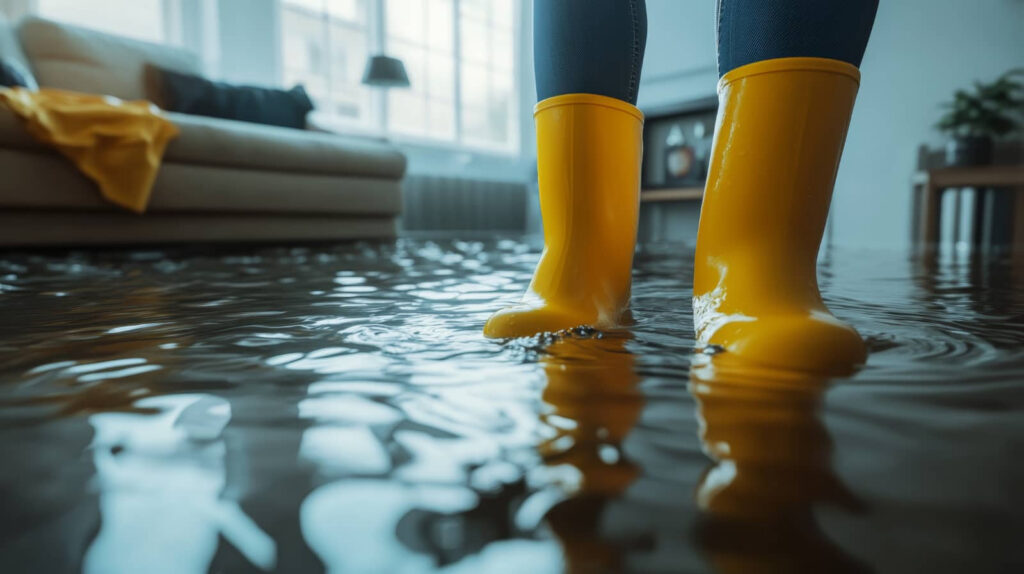
Professional water damage cleanup is essential when water spreads beyond a small, manageable spill. While minor spills on hard surfaces may only require basic drying, extensive water damage, contaminated water, or moisture trapped behind walls can create serious problems. Professional water damage cleanup involves assessing the affected areas, removing standing water, identifying hidden moisture, and thoroughly drying damaged materials to help prevent mold growth and further structural damage. Acting quickly helps protect your property and ensures problems hidden beneath the surface don’t become more costly repairs.
Key Takeaways
- DIY cleanup is appropriate only for small, clean-water spills on hard surfaces with no hidden moisture.
- Call professionals when water reaches walls, subfloors, insulation, or other hidden spaces.
- Contaminated water from sewage or chemicals requires specialized extraction, sanitization, and safe disposal.
- Moisture meters, thermal imaging, and opening assemblies help professionals find hidden saturation and prevent mold.
- Professional drying often costs less overall for major losses by reducing future repairs and health risks.
When DIY Water Damage Cleanup Is Safe
DIY water damage cleanup is safe only when the loss is small, the water is clean, and you can fully dry the area within a short time.
You can handle a few square feet of clean water on hard surfaces if you remove standing water, wipe all affected materials, and run fans and dehumidification right away.
Check baseboards, carpet pads, and wall cavities for dampness, because hidden moisture can spread fast.
Use gloves, eye protection, and a disinfectant when needed. Measure progress with a moisture meter if you have one.
In professional water damage cleanup vs diy decisions, you should choose the DIY path only when you can verify complete drying and no structural saturation.
That keeps your home safe and your crew of helpers working confidently together.
When to Call a Water Damage Professional
You should call a water damage professional when moisture has spread into walls, subfloors, or other concealed areas, because hidden saturation can persist after visible surfaces dry.
You also need professional help if the water is contaminated by sewage, chemicals, or flood debris, since severe contamination creates health and material hazards that DIY cleanup can’t reliably control.
In these cases, specialized extraction, drying, and sanitization are necessary to limit structural damage and reduce exposure risk.
Hidden Moisture Risks
When moisture hides behind walls, under flooring, or inside insulation, the visible damage tells only part of the story. You may dry the surface, yet trapped water can keep feeding swelling, warping, and microbial growth in concealed materials.
That’s when you need professional moisture mapping, thermal imaging, and calibrated meters to verify what you can’t see. If baseboards stay damp, flooring feels soft, or odors return after cleanup, your structure likely still holds water.
A qualified team can open affected assemblies, remove hidden saturation, and restore proper drying conditions without guesswork. You don’t have to manage that uncertainty alone; getting expert help puts you back in control and helps protect your home’s performance, safety, and value.
Severe Contamination Issues
Contaminated water demands immediate professional handling because the hazard extends beyond what’s visible.
If you see sewage, storm runoff, or any water that smells foul, you’re dealing with a biohazard, not a simple cleanup. You need certified technicians because they’ll isolate the area, remove damaged materials, and disinfect surfaces with the right containment and protective equipment.
DIY efforts can spread pathogens, aerosolize debris, and leave behind residues that keep growing. If your home includes HVAC exposure, porous insulation, or saturated drywall, the contamination can migrate fast.
When you call a professional, you protect your household, restore safer conditions, and join a process built for proven results. That’s the standard when health, not just property, is on the line.
Why Water Volume and Contamination Matter
Water volume and contamination level drive the cleanup decision because they determine both the spread of damage and the health risk involved.
When you face clean, minor water, you may handle it safely with basic drying tools. But once water covers more area or contains sewage, chemicals, or flood residue, the job gets complex fast. You’re protecting your home and everyone in it, so use the right standard.
- Small, clean spills often suit DIY.
- Large volumes demand faster extraction.
- Contaminated water needs controlled handling.
- Higher risk losses call for trained crews.
If you’re unsure, choose the option that limits exposure, speeds recovery, and keeps your household aligned with proven cleanup practice.
Why Hidden Moisture Is a DIY Problem
Hidden moisture is a DIY problem because it often escapes notice after the visible water is gone, allowing damage to continue behind walls, under flooring, and inside insulation. You can mop up surfaces and still leave damp framing, subflooring, and drywall cavities that keep feeding microbial growth and material decay.
Without moisture meters, thermal imaging, and controlled drying, you’re guessing at what’s still wet. That uncertainty matters because hidden pockets can spread odor, warp finishes, and compromise building materials long after the spill seems handled.
If you’re tackling cleanup yourself, you need to inspect systematically, open suspect areas, and verify dryness before closing anything up. In a skilled homeowner’s toolkit, moisture detection isn’t optional; it’s the standard that protects your space and your crew.
DIY vs Pro Cleanup Costs
DIY cleanup looks cheaper upfront, but the real cost depends on how much damage you miss, how long drying takes, and whether the water involved was clean, gray, or contaminated.
You’re really paying for labor, equipment, disposal, and risk control. Professional crews bring moisture meters, air movers, dehumidifiers, and containment, so they can dry assemblies faster and limit secondary damage.
- DIY saves on service fees.
- Pro work reduces hidden repair costs.
- Contaminated water raises disposal and safety costs.
- Rental gear and lost time add up fast.
If you’re managing a small, clean spill, DIY can stay economical.
If materials stay wet, costs climb through demolition, mold prevention, and replacement. You’re part of a community that values doing it right the first time.
How to Decide Between DIY and Pro Cleanup
Start by measuring the water volume, because a small, clean spill may be manageable while extensive flooding usually requires professional equipment.
Next, check contamination risk; if the water contains sewage, chemicals, or other hazardous materials, you shouldn’t handle it yourself.
Then inspect for hidden moisture in walls, floors, and cavities, since trapped water can drive mold growth and structural damage if you miss it.
Water Volume Assessment
When you assess water volume, you can quickly determine whether the loss is manageable or requires professional cleanup. Estimate the spread, depth, and the materials involved, then compare that to your drying capacity. You’ll usually handle small, localized leaks yourself if you can remove water fast and keep surfaces open.
- Puddles under a few square feet often stay DIY-friendly.
- Water covering multiple rooms usually needs pro extraction.
- Saturated drywall or insulation increases the load fast.
- Standing water that returns after removal signals a larger system issue.
If you can’t track where the water traveled, professional equipment gives you better control. Your goal is simple: match the volume to the tools you actually have, so your team gets a clean, stable recovery.
Contamination Risk Check
Check the water’s source and treat any contamination as the deciding factor. Clean supply-line water may allow you to handle minor cleanup yourself if you can dry materials fast and disinfect correctly.
But if the water came from a sewer backup, overflow, or standing floodwater, you’re dealing with Category 2 or 3 contamination, and you shouldn’t improvise. Those losses can expose you, your household, and your team to bacteria, chemicals, and irritants that standard household tools won’t neutralize.
A pro crew brings containment, protective gear, EPA-registered antimicrobials, and disposal procedures that reduce risk and keep the space safe.
When contamination’s uncertain, pause and verify before you touch anything. Choosing the right response protects your people and helps you move forward with confidence.
Hidden Moisture Inspection
Even a small visible spill can hide moisture inside wall cavities, under flooring, and in insulation, so you need to inspect beyond the surface before deciding on DIY cleanup.
Use a moisture meter, lift trim, and check baseboards for swelling, odor, and cold spots. If readings stay elevated after drying, you’ve got hidden saturation. If you’re part of a crew that values doing it right, this step keeps everyone safer and prevents repairs later.
- Check behind cabinets and appliances
- Probe drywall and subfloor edges
- Inspect ceilings below wet rooms
- Compare meter readings across materials
If water reached porous assemblies or the source was contaminated, call a pro.
Pros find trapped moisture fast, map damage, and dry assemblies to a defensible standard.
Frequently Asked Questions
Can Insurance Cover Both DIY and Professional Water Damage Cleanup?
Yes, your insurance can cover both DIY and professional cleanup, but it depends on your policy, cause of loss, and documentation. You’ll usually need receipts, photos, and proof that your response was reasonable.
How Quickly Should Water Damage Cleanup Start After a Leak?
You should start cleanup within 24 hours; mold can colonize in 48. Act fast, extract standing water, dry hidden cavities, and document losses. You’ll protect your home, your budget, and your restoration team.
What Equipment Do Professionals Use That Homeowners Usually Lack?
You’ll usually lack truck-mounted extractors, high-CFM air movers, desiccant dehumidifiers, thermal imaging cameras, moisture meters, and antimicrobial foggers. Pros use them to remove water fast, find hidden moisture, and protect your home and team.
How Long Does Professional Water Damage Cleanup Typically Take?
Professional cleanup usually takes 2–5 days for minor losses, and 1–3 weeks for major damage. You’ll get faster drying when technicians extract water quickly, monitor moisture daily, and prevent hidden mold growth.
Are Mold Inspections Needed After Water Damage Cleanup?
Yes, you should get a mold inspection after cleanup if moisture lingered, materials stayed wet over 24–48 hours, or odors persist. You’ll protect your space, verify drying, and catch hidden growth early.
Summary
If you’re dealing with a small, clean spill on a hard surface, DIY cleanup can work. But the irony is that the cheapest fix often becomes the most expensive mistake when water volume grows, contamination is involved, or moisture hides behind walls and under floors. That’s when you need professional equipment, moisture mapping, and controlled drying. In water damage, speed matters—but accuracy matters more. Choose the method that actually protects your structure, your health, and your budget.