
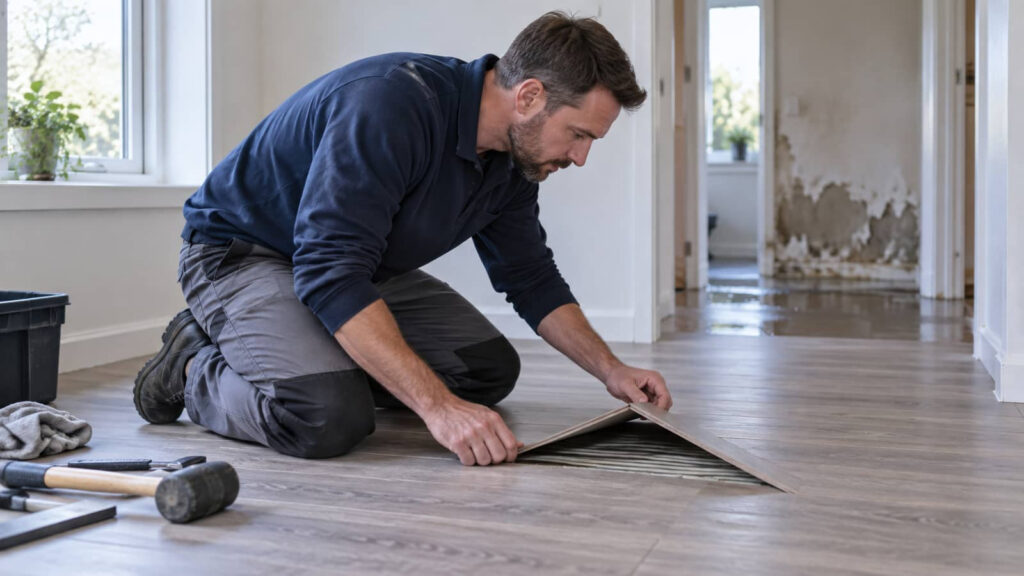
When water enters your home, time starts working against you. You can see the visible cleanup finish in a few days, but drying, repairs, and hidden moisture often stretch the job into weeks. The timeline depends on how far the water spread, what soaked it, and whether you need structural repairs or permits. Knowing what slows the process can help you act faster and avoid surprises.
Key Takeaways
- Water damage restoration usually takes a few days to several weeks, depending on the severity of the loss.
- Quick response, water extraction, and efficient drying can significantly shorten the overall timeline.
- Water that spreads into walls, insulation, subfloors, or hidden spaces usually takes longer to dry and repair.
- Contaminated water, structural damage, and limited access add cleanup, demolition, and sanitation delays.
- Moisture levels, affected materials, permits, inspections, and repair availability all influence when restoration is finished.
How Long Does Water Damage Restoration Take?
How long does water damage restoration take? You’ll usually see the answer range from a few days to several weeks, depending on how long water damage restoration takes in your case.
In a typical job, you can expect inspection, water extraction, drying, cleaning, and repairs to happen in sequence. If you act quickly, you help limit structural damage and speed up recovery.
Your team should measure moisture, track drying progress, and confirm that materials are safe before closing the job. Small, clean-water incidents often finish faster than larger losses.
You’re not alone in this process; a good restoration crew keeps you informed, sets realistic milestones, and helps you get your home back to normal with less guesswork and stress.
What Makes Water Damage Restoration Take Longer?
Several factors can extend water damage restoration beyond the usual timeline. You’ll see delays when water spreads into walls, insulation, subfloors, or cabinetry, because crews must open, inspect, and dry hidden cavities.
Contaminated water also slows work; it needs extra containment, sanitation, and disposal steps to keep your home and team safe.
Structural damage can require demolition, carpentry, or specialty repairs before rebuilding starts. Limited access, crowded rooms, and packed belongings make extraction and drying less efficient, too.
If you wait to call a pro, damage worsens and the scope grows, which pushes completion back. Permits, inspections, material shortages, and coordinating multiple trades can add more time.
The faster you respond, the smoother your project will move, and you’ll feel back on track sooner.
How Do Moisture Levels Affect Drying Time?
Higher moisture levels usually mean longer drying times because materials hold water in deeper layers and release it more slowly.
You’ll see the biggest delays when readings stay elevated after surface water is gone, since trapped moisture keeps air movers and dehumidifiers working longer.
Lower readings let you move faster, but you still need steady monitoring to confirm the structure is actually drying, not just the visible area.
Technicians use moisture meters to track progress and adjust equipment placement, airflow, and humidity control.
When levels drop consistently, you can expect the timeline to shorten. If they rise again, hidden damp spots may be holding the process back.
Staying in the loop with your crew helps you understand the pace and plan the next steps with confidence.
Which Materials Take the Longest to Dry?
Some materials hold water far longer than others, and that can stretch the restoration timeline.
You’ll usually see the slowest drying in dense, layered, or porous materials like carpet pad, drywall, insulation, plaster, hardwood, and concrete.
Carpet can release surface moisture fast, but the pad underneath often stays damp and traps water.
Drywall wicks moisture upward, so even a small leak can affect a larger area.
Insulation and plaster retain water inside their structure, while hardwood can swell and dry unevenly.
Concrete may seem dry on top, yet still hold moisture deep inside.
In your space, airflow, temperature, and material thickness all matter, so technicians often test hidden moisture before declaring an area dry.
That keeps your home safer and helps your team move confidently forward.
How Do Repairs Extend the Restoration Timeline?
When repairs require structural work, you’ll add time for framing, drywall, flooring, or subfloor fixes before the area can close up.
If damaged materials need replacement, you may face supply delays and extra labor that extend the timeline.
Permits and inspections can also slow completion because you can’t finalize the restoration until each step clears review.
Structural Repairs Needed
Structural repairs can add days or even weeks to water damage restoration because crews must first assess damage to framing, drywall, flooring, insulation, and subfloors before replacing anything.
You’ll see the timeline stretch when the structure needs controlled demolition, drying verification, and rebuild work in sequence. Your team has to confirm the area’s stable before closing walls or installing finishes.
- Remove damaged material and expose hidden moisture.
- Repair or reinforce framing, subfloors, and wall assemblies.
- Rebuild surfaces after moisture readings stay within target ranges.
You’re not just waiting for cleanup; you’re waiting for the structure to become sound again.
When repairs stay organized, you and your crew can move through each phase with less rework and fewer delays.
Material Replacement Delays
Material replacement often extends the restoration timeline because you can’t install new drywall, flooring, insulation, or trim until the affected areas dry fully and pass moisture checks.
If you rushed ahead, hidden dampness could warp materials, trap odors, and invite mold. You may also need to wait for matching products, especially if your home uses discontinued finishes, specialty lumber, or custom millwork.
Contractors often remove damaged sections in phases, so one room can hold up the next if debris, subfloor prep, or adhesive cure time isn’t complete.
You’ll move faster when you keep communication open, approve selections quickly, and stay flexible on close matches. That way, your crew can finish cleanly and you can get back to normal with fewer setbacks.
Permit And Inspection Steps
Permit steps can slow restoration because you may need approvals before crews can start structural repairs, electrical work, plumbing changes, or major rebuilds.
You’ll usually wait while your contractor submits plans, schedules city review, and coordinates with inspectors. That pause adds days or weeks, but it helps keep your project compliant and safe.
Permit review: local officials check scope, code, and damage limits.
Inspection timing: inspectors confirm demo, framing, wiring, and plumbing before closure.
Rework cycles: if anything fails, your team fixes it and requests another visit.
You can reduce delays by keeping documents ready and choosing a contractor who knows local rules.
When your team and inspectors stay aligned, you move faster and rejoin your home with less stress.
How Can You Speed Up Water Damage Restoration?
How can you speed up water damage restoration? Act fast, shut off the source, and call a qualified crew right away.
Then move belongings from wet areas, open access to affected rooms, and keep people out so technicians can work safely.
Photograph damage for your claim, but don’t wait on paperwork before starting extraction and drying.
Use fans and dehumidifiers only if the pros approve, because improper airflow can spread moisture.
Ask for moisture readings, drying goals, and daily updates so you know the job’s pace.
If you’re part of a community cleanup, coordinate with neighbors to share information and avoid delays.
The sooner you clear obstacles, the sooner your team can remove water, dry materials, and begin repairs.
Frequently Asked Questions
Does Insurance Affect Water Damage Restoration Timing?
Yes, your insurance can slow restoration if you wait for approval, adjuster inspections, or coverage disputes. You’ll move faster when you document damage, file promptly, and coordinate directly with your restorer and insurer.
Can Mold Appear Before Restoration Is Finished?
Yes, mold can appear before you finish restoration if moisture lingers. You’ll reduce that risk by drying materials fast, removing damaged items, and monitoring humidity closely throughout the cleanup process.
Should You Leave Belongings in the Affected Area?
You shouldn’t leave belongings in the affected area. You’ll protect items by removing dry, salvageable possessions and isolating contaminated ones. Move them fast, document damage, and let technicians assess moisture, mold risk, and cleaning needs.
Is It Safe to Stay Home During Drying?
Yes, you can usually stay home during drying, but only if technicians confirm low moisture and safe air quality. If you smell mildew, see standing water, or feel dampness, leave; your home should feel livable.
When Should a Professional Assess the Damage?
You should call a professional as soon as you notice water intrusion, visible staining, warped materials, or musty odors. They’ll assess moisture, structural risk, and hidden damage before problems spread or repairs get delayed.
Review
In the end, you can expect water damage restoration to take days or weeks, depending on the damage, drying needs, and repair work. The faster you act, the better you limit lingering loss and long delays. Keep an eye on moisture, materials, and access issues, and follow your crew’s updates closely. With prompt action and proper planning, you’ll speed up the process and restore your space more smoothly.