
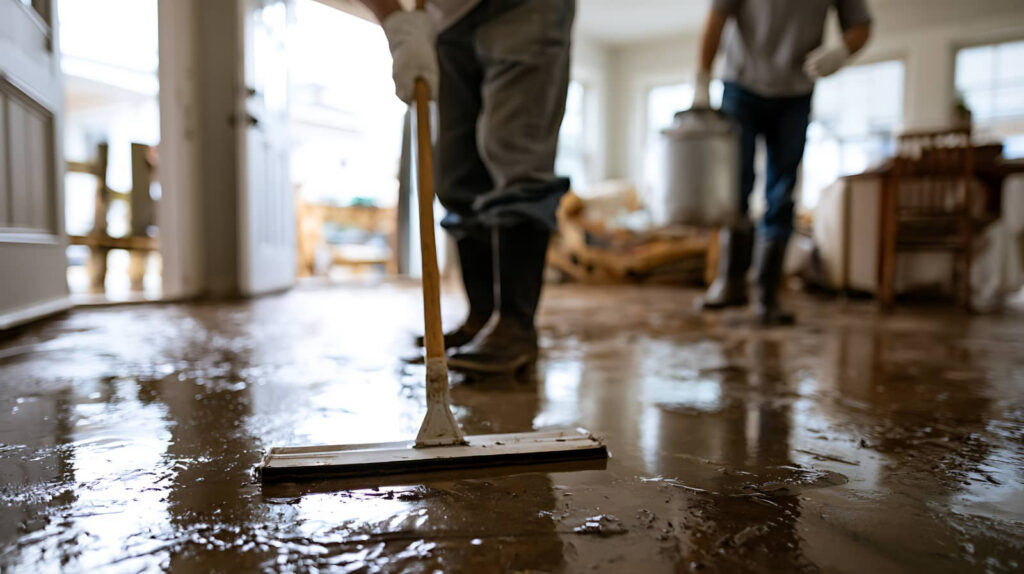
When you face water damage, your restoration cost depends on a few clear variables: the water source, how far the moisture spread, and what repairs your space needs afterward. Clean water usually costs less to remove, while contaminated water raises labor, safety, and disposal expenses. Drying equipment, labor hours, and hidden structural damage can quickly change the total, so the next step is knowing what drives each part of the bill.
Key Takeaways
- Water source matters: clean water costs less, while gray and black water require more cleanup and safety measures.
- Damage size and spread drive price, with larger or hidden moisture problems needing more labor and materials.
- Drying equipment like dehumidifiers and air movers adds rental and labor costs during restoration.
- Faster response usually lowers costs by reducing structural damage, warping, and mold risk.
- Repairs after cleanup vary by affected materials, including drywall, flooring, cabinetry, and structural components.
How Much Does Water Damage Restoration Cost?
Water damage restoration costs can vary widely because the price depends on the water source, the size of the affected area, how much drying is needed, and what repairs are required.
You’ll usually see a water damage restoration cost range from a few hundred dollars for minor cleanup to several thousand for larger, more involved jobs.
Your final bill often includes inspection, extraction, drying, dehumidification, sanitation, and materials replacement.
You’re not alone in feeling uncertain, but a clear estimate helps you plan and stay in control.
A reputable team will assess the damage, explain each line item, and work with you to reduce delays and extra expense.
Fast action matters, because waiting can increase structural damage and raise the overall cost.
How Water Source Affects Cost
Because not every leak carries the same risk, the water source is one of the biggest factors in your restoration cost. You’ll usually pay based on contamination level and the extra protection your crew needs.
Clean water: From supply lines or rain, it’s the simplest and least expensive to handle.
Gray water: From appliances or overflow, it may need more cleaning and careful drying.
Black water: From sewage or floodwater, it demands strict safety steps and higher labor.
Unknown source: When the cause isn’t clear, technicians inspect first, so you’re paying for diagnosis too.
Knowing the source helps you plan with confidence and stay connected to the right recovery team.
How Damage Size and Severity Change Pricing
After you know what kind of water you’re dealing with, the next big cost driver is how far it spread and how deep it soaked in. A small leak confined to one room usually costs less than a whole-floor event because you’re dealing with fewer square feet, less material removal, and a shorter path back to normal.
If water reached subflooring, wall cavities, or insulation, restoration gets more involved because hidden moisture can keep damaging the structure. Saturated drywall, baseboards, and flooring often need targeted removal, not just surface cleanup.
The longer the water sat, the more materials can weaken, stain, or warp. That’s why fast action matters: you protect your home, limit scope, and keep your recovery costs closer to the lower end.
What Drying Equipment and Labor Add
You’ll often see drying equipment rentals, like air movers and dehumidifiers, added to your restoration bill when moisture control takes more than simple cleanup.
Labor also increases the total, since technicians have to set up the gear, monitor drying progress, and adjust the plan as conditions change.
Together, equipment rental costs and labor time and rates can noticeably raise the price, but they’re essential for thorough drying and preventing further damage.
Equipment Rental Costs
Equipment rental often adds a significant share to water damage restoration cost, especially when crews need air movers, dehumidifiers, HEPA air scrubbers, and moisture meters to dry materials fast and verify the space is safe.
You’ll usually see charges based on the size of the affected area, the equipment count, and how long the gear runs. These tools help your home recover efficiently and keep your crew on track.
- Air movers speed evaporation.
- Dehumidifiers pull hidden moisture.
- Air scrubbers improve indoor air.
- Moisture meters confirm dryness.
If you’re restoring a kitchen, basement, or whole level, this rental bundle can rise quickly, but it’s there to protect your space and support a thorough, reliable cleanup.
Labor Time And Rates
Labor time can make up a major part of water damage restoration cost, because technicians spend hours setting equipment, monitoring moisture levels, and moving through repeated drying checks until the structure reaches safe readings.
You’re paying for skilled labor that tracks hidden moisture, adjusts air movers and dehumidifiers, and documents progress for insurance. Rates often reflect emergency response, after-hours work, and the complexity of your space.
A small leak may need one crew visit, while widespread damage can require multiple technicians over several days.
When you understand these hours, you can budget more accurately and feel confident the team’s work is targeted, measurable, and built to protect your home and your people.
What Water Damage Repairs Cost After Cleanup
After cleanup, repair costs usually depend on how far the water spread and what materials need replacement, so minor drywall or baseboard fixes may stay relatively low while damaged flooring, insulation, cabinetry, or structural framing can raise the total quickly.
You’ll usually see separate charges for:
- Drywall and trim removal
- Subfloor or flooring replacement
- Cabinet, vanity, or built-in repairs
- Framing, insulation, or finish work
If moisture reached hidden spaces, you may need targeted demolition and rebuilding to restore the area safely.
Matching finishes can also add time, especially in older homes. You’re not alone if the list feels long; a good contractor can explain each repair and keep the work focused on what’s truly damaged.
Clear repairs help your space feel normal again.
How to Calculate Your Restoration Costs
To calculate your restoration costs, you’ll need to account for the water source, the size of the affected area, drying equipment, labor, and any repairs.
You can estimate the total by combining removal, drying, cleanup, and reconstruction expenses, then adjusting for damage severity and how long mitigation takes.
A clear cost breakdown helps you compare quotes and plan for the full scope with less uncertainty.
Cost Breakdown Factors
Your water damage restoration cost usually starts with the water source, since clean water, gray water, and sewage each require different safety measures and cleanup methods.
You can then check four core factors:
- Affected area size: more square footage means more labor and materials.
- Material saturation: drywall, insulation, and flooring absorb water differently.
- Drying needs: dehumidifiers, air movers, and monitoring add equipment time.
- Repairs and sanitation: removal, cleaning, and replacement work increase charges.
You’re not alone in sorting this out. A technician should document moisture levels, damaged materials, and access limits, then explain each line item clearly.
That way, you stay informed, compare estimates confidently, and focus on getting your space safe, dry, and ready again.
Estimating Total Restoration
Start by totaling the core restoration costs: inspection and moisture mapping, water extraction, drying equipment, demolition, cleaning, and repairs.
Then add labor, materials, and any specialty services, like antimicrobial treatment or mold prevention. If your water loss came from a clean source, you’ll usually pay less than for gray or sewage water.
Next, include replacement costs for drywall, flooring, insulation, and trim that can’t be saved. Factor in equipment rental days, since longer drying periods raise the bill.
You should also check whether your policy covers temporary housing, contents cleaning, and document restoration.
When you add each line item, you’ll see the full range more clearly and can plan with confidence. You’re not guessing—you’re building a practical estimate with your restoration team.
Frequently Asked Questions
Does Homeowners Insurance Cover Water Damage Restoration?
Usually, you’re covered if sudden, accidental water damage hits your home, but not for flooding or neglect. Check your policy, document damage fast, and contact your insurer right away to confirm coverage and next steps.
How Quickly Should Water Damage Be Addressed?
You should address water damage immediately, ideally within 24 hours. Acting fast stops mold, limits structural damage, and keeps costs down. If you move quickly, you’ll be ahead of the game and protect your home.
Can I Stay in My Home During Restoration?
Yes, you can sometimes stay, but you’ll need to avoid affected rooms and follow safety guidance. If contamination, mold, or major repairs exist, you shouldn’t remain. Your technician’ll help you decide safely.
How Long Does Water Damage Restoration Usually Take?
You’ll usually wrap up water damage restoration in 3 to 7 days, though severe cases can take longer. Your team will assess moisture, dry materials, remove damaged sections, and complete repairs efficiently, keeping you included throughout.
What Signs Indicate Hidden Water Damage?
You’ll notice hidden water damage by musty odors, staining, peeling paint, warped flooring, soft drywall, and unexpected mold. You might also hear dripping or see rising bills. Act quickly; you’re not alone.
Wrap-Up
So, when you’re facing water damage, don’t wait even a minute. A small clean-water leak can snowball into a budget-crushing disaster if you delay, while fast action can slash drying time, labor, and repair costs dramatically. Your final price depends on the water source, damage size, equipment needs, and repairs, but quick response is your best cost-control tool. Act fast, and you’ll save money, stress, and maybe your whole flooring system.