
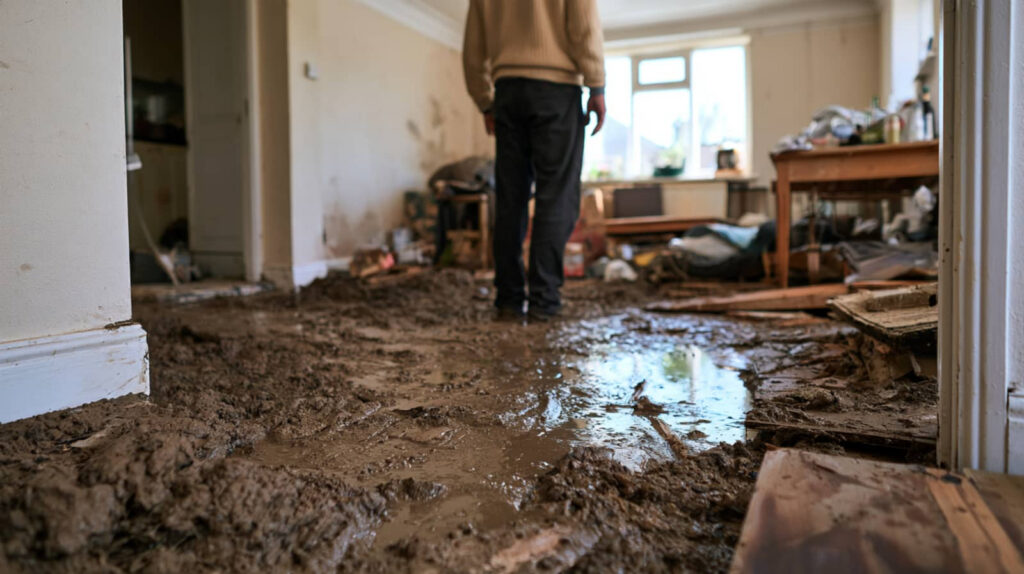
After storm flooding, you need to act in a strict sequence: secure the site, shut off power, and document every affected area before you move a single item. Then you remove standing water, start controlled drying, and track hidden moisture where damage often lingers. If you skip a step, mold, structural decay, and costly repairs can follow fast. The next phase decides how much of your property you can truly recover.
Key Takeaways
- Assess safety first: shut off power if safe, avoid damaged rooms, and keep people and pets in a dry area.
- Remove standing water quickly using pumps or wet vacs, working from the deepest areas toward exits.
- Start drying immediately with air movers and dehumidifiers, while monitoring moisture levels until stable.
- Clean and disinfect affected surfaces, wearing protective gear and removing materials that cannot be salvaged.
- Restore only after the structure is dry, then replace damaged components and document all repairs for insurance.
What to Do First After Storm Flooding?
The first priority after storm flooding is to make the area safe, then begin the water removal process as soon as possible. You should shut off electricity if you can do so without entering water, and you should avoid rooms with sagging ceilings, damaged walls, or visible structural movement.
Next, document the affected areas with photos for your claim. Remove people and pets from unsafe zones, and keep everyone together in a dry, stable space.
When conditions permit, contact a qualified team for water damage restoration after storm flooding so your recovery starts with a clear plan. Their trained response helps you protect the property, limit further deterioration, and coordinate the next steps.
Acting quickly gives you the strongest chance to regain control and move forward with confidence.
Remove Standing Water and Start Restoration
Once the site is safe and documented, you need to remove standing water right away and begin the restoration process.
Use pumps, wet vacs, or truck-mounted extraction equipment to clear as much water as possible in one pass. Move methodically from the deepest areas toward exits, checking corners, closets, and under cabinetry.
Remove saturated rugs, loose flooring, and small contents only if they can be handled safely. Protect structural members and keep traffic controlled so your team can work efficiently.
As you extract water, separate salvageable items from materials that can’t recover. This stage sets the tone for the whole job: fast action reduces loss, limits contamination spread, and helps your property rejoin the recovery plan.
A disciplined approach keeps everyone aligned and moving forward together.
Dry Walls, Floors, and Hidden Moisture
Drying has to begin as soon as bulk water is removed, because moisture trapped in walls, subfloors, and trim can keep spreading damage long after surfaces look clean. You need a controlled drying plan that targets every wet assembly, not just the visible finish.
Set air movers to drive evaporation, and use dehumidifiers to pull vapor from the space. You’ll protect your home best when you check moisture in framing, baseboards, and flooring connections.
- Measure moisture at multiple depths
- Open concealed cavities where needed
- Keep airflow moving across damp surfaces
- Document readings until they stabilize
You’re not doing this alone; a disciplined crew uses the same method to restore safe, stable materials and keep your recovery moving forward.
Clean Up and Prevent Mold Growth
After floodwater is removed, you need to clean affected surfaces quickly and disinfect them so organic residue doesn’t feed mold.
Wear gloves, eye protection, and an N95 respirator before you scrub walls, floors, trim, and hard contents with detergent and clean water.
Then apply a disinfectant approved for porous and nonporous materials, following label contact times exactly.
Remove soaked insulation, drywall, carpet, and padding that can’t be fully cleaned, because trapped moisture invites colonies.
Keep humidity low with ventilation and dehumidification while you monitor for musty odors, spotting, or fuzz.
If you see mold, isolate the area and treat it at once so your home stays safe.
When everyone on your team works methodically, you reduce health risks and protect the recovery process.
Finish Repairs and Restore Your Home
With the structure dry and mold risks controlled, you can move into repairs that restore the home’s function and integrity. Replace damaged drywall, insulation, flooring, and trim in the correct sequence so hidden moisture doesn’t linger.
Inspect electrical, HVAC, and plumbing systems before you seal walls or install finishes. Use matched materials where possible to preserve a consistent result and reduce future failure.
- Rebuild framing and subfloors as needed
- Install approved vapor barriers and insulation
- Prime, paint, and seal repaired surfaces
- Verify all systems pass final inspection
You’re not just fixing damage; you’re re-establishing a safe, reliable living space for your household. Document every repair, keep permits and receipts, and schedule a final walkthrough.
That way, you can move back in with confidence and belong in a home that’s truly whole.
Frequently Asked Questions
How Do I Document Flood Damage for Insurance Claims?
You should photograph every damaged area, list affected items with estimated values, note dates, and save receipts. Then you’ll submit a detailed inventory, keep copies, and track adjuster conversations for your claim.
When Should I Call a Restoration Company After Flooding?
You should call a restoration company immediately after flooding, especially if water reached flooring, walls, or electrical systems. You’ll reduce structural damage, mold growth, and repair costs when you act within the first 24 hours.
Can Contaminated Floodwater Affect My Home’s Electrical System?
Yes—contaminated floodwater can corrode wiring, short outlets, and energize metal parts. You should shut off power, avoid wet areas, and have a licensed electrician inspect your system before you restore service.
How Long Does Professional Water Damage Restoration Usually Take?
Usually, you’ll need 3–7 days, though severe flooding can take weeks. You’ll see professionals extract water, dry materials, and verify moisture levels methodically, so you’re back on solid ground with confidence.
Does Flood Damage Restoration Require Permits or Inspections?
Yes, you’ll often need permits or inspections for flood damage restoration, especially for structural, electrical, or plumbing work. You should check local rules first, because compliance keeps your project safe, compliant, and on schedule.
Conclusion
You act fast, yet carefully: you shut off power, document the damage, and remove standing water before it spreads. What looks like wreckage becomes a controlled recovery as you dry hidden moisture, clean exposed surfaces, and stop mold before it starts. One damaged room can feel overwhelming, but a methodical plan turns chaos into order. When you inspect, repair, and verify every system, you don’t just restore your home—you restore safety, function, and peace of mind.