
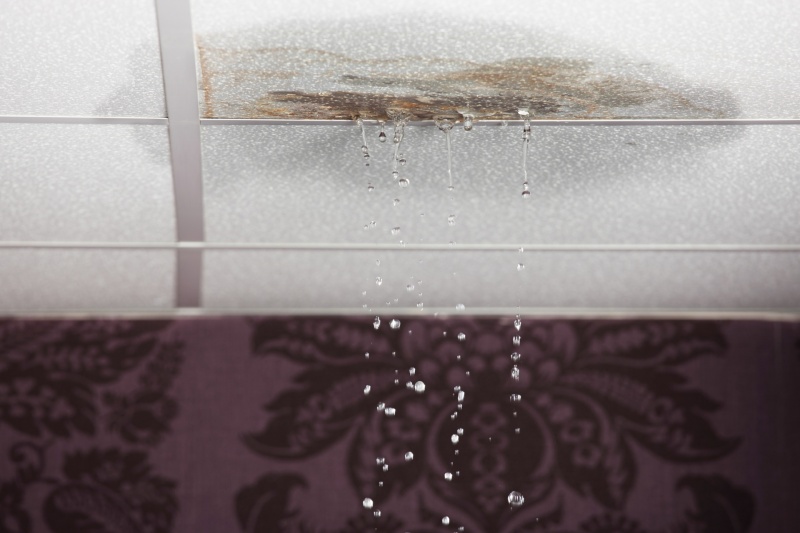
What are the signs that you need water damage restoration?
Signs that you may need water damage restoration or cleaning include:
- Brown or yellow ceiling stains
- Musty or moldy odors
- Peeling paint or bubbling on the ceiling
- Cracks or warping in ceiling materials
- Sagging or drooping ceiling sections
We often talk about dealing with the damage that can occur to homes due to large-scale catastrophes, such as wildfires or massive flooding. But damage from water, fire, and other elements doesn’t always emerge after big disasters. They can be more insidious, occurring when you don’t know to look for them.
One of the more common types of water damage that homes suffer is from leaky roofs. Homeowners often don’t pay much attention to their roofs, allowing them to sustain damage over time and age to the point where they don’t provide the waterproofing necessary to protect the house. Since we recently went through massive rainstorms in Southern California, water damage coming through a leaky roof is a major worry.
We want to look at ways you can tell you’ve got water damage to your ceiling. Then you can call us for an inspection to see if we need to help with restoration for water damage in Orange County, CA.
1. Spotting Water Damage: Discoloration on Ceilings
You’ve probably seen water-stained ceilings before in other buildings and recognize the discolored patterns they form. The discoloration is usually brown or rust-colored. This staining indicates that water is pooling above the ceiling material and is starting to eat through it. These stains may also be due to plumbing leaks, but no matter what, you need to have them looked into right away.
2. Identifying Water Damage by Musty Odors
When water seeps down through a damaged roof, it will start to create stagnant shallow pools. This is the perfect environment for mold and mildew to start growing, and you’ll begin to notice an unpleasant smell in the upper areas of your house. Mold and mildew quickly ruin building materials, weakening wood and eating right through drywall.
3. Warning Sign: Peeling Ceiling Paint or Wallpaper
Another warning sign you may notice on the ceilings along with discolored spots is paint layers and wallpaper that are peeling back. This often means there’s a steady source of moisture coming through the ceiling.
4. Water Damage Indicators: Ceiling Bubbles & Cracks
Water that gets into the drywall will often start to create visible bubbles along the ceiling. Hairline cracks can also start to form. If these cracks spread out into a web pattern, it indicates that the damage you’re looking at goes far deeper.
5. When Your Ceiling Sags: A Sign of Water Intrusion
This is a big warning sign that the damage to your ceiling is serious: the material has weakened enough from water damage that it’s losing its structural integrity and is beginning to collapse. Don’t hesitate when you see this occurring. Call us right away for an inspection and stay away from the affected area.
When to Call Professionals for Ceiling Water Damage
Although you may want to take on ceiling leaks on your own, you absolutely shouldn’t. First, you should never get up on the roof yourself. Second, if your home has sustained water damage, you must have restoration professionals handle fixing the damage: this is a complex process. Third, this kind of DIY work might void your home warranty. Please leave all the work to skilled professionals.
Frequently Asked Questions
Question: What are common visible signs of water damage in a ceiling?
Answer: Water damage in a ceiling often shows up as discolored or brownish spots, peeling or blistering paint, and cracks or bubbles in the surface, all indicating moisture is present and affecting the ceiling material.
Question: Why does a ceiling sometimes start to sag or bulge?
Answer: A sagging or bulging ceiling means water has saturated the material enough that it’s losing structural integrity, which is a serious sign of water damage and should be inspected right away.
Question: Can odors indicate water damage in a ceiling?
Answer: Yes, a musty or moldy smell in the upper areas of your home can signal stagnant water and early mold growth above the ceiling, showing that moisture has accumulated and needs attention.
Question: Is mold growth a sign of ceiling water damage?
Answer: Yes, mold or mildew growth on or around the ceiling is a clear indicator of ongoing water exposure because these fungi thrive in damp environments created by leaks.
Question: What should you do if you notice these ceiling damage signs?
Answer: If you notice any of these signs, have a professional inspect the area, identify the leak source, and handle restoration to prevent further damage and avoid safety risks from structural failure.
For comprehensive home restoration services you can rely on, contact Jarvis Restoration today!