
When you find standing water in your home, you need to act quickly because every minute increases the risk of hidden damage. Water can seep into flooring, drywall, and insulation before you notice the full extent of the problem. If you move fast, you can limit repairs, reduce mold risk, and protect your home’s structure. But the real challenge starts once you assess what the water has already reached.
Key Takeaways
- Remove standing water quickly to prevent damage to flooring, walls, and belongings.
- Shut off the water source and electricity to affected areas if it is safe.
- Use mops, wet vacuums, fans, and dehumidifiers to start immediate drying.
- Fast cleanup helps stop moisture from reaching subfloors, drywall, and insulation.
- Call a professional if water damage is extensive, contaminated, or remains wet after a day or two.
What to Do Right Away
As soon as you notice standing water, act quickly to limit damage to flooring, walls, and belongings. Turn off the water source if you can do so safely, then shut off electricity to affected rooms.
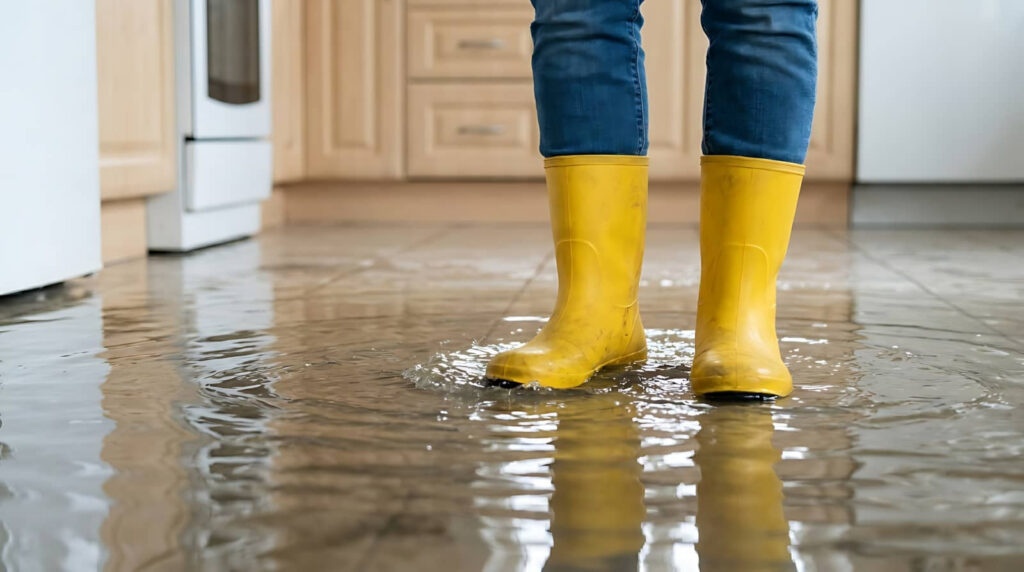
Move furniture, rugs, and electronics to a dry area. Wear boots and gloves, and start standing water cleanup in a home by mopping or using a wet vacuum for shallow water.
Open windows, run fans, and set up dehumidifiers to help air move through the space. Remove wet fabrics and paper items right away.
If the water is contaminated, avoid direct contact and keep pets and family members out of the area.
You’re not handling this alone; steady, careful action now helps you protect your home and restore normal conditions.
Why Fast Standing Water Cleanup Matters
Fast standing water cleanup matters because every minute of delay gives moisture more time to seep into subfloors, drywall, insulation, and furnishings.
Acting quickly helps you limit spread, reduce cleanup complexity, and keep the situation manageable for your household. When you begin extraction and drying promptly, you protect indoor comfort and support a smoother return to normal routines.
You also give yourself a better chance to preserve the spaces and items you care about most. Professional response teams can assess conditions, remove water efficiently, and set up targeted drying before the problem has more time to settle.
If you’re facing this issue, you’re not alone; fast action is a practical step that helps you stay in control and move forward with confidence.
How Standing Water Damages Your Home
Standing water can start damaging your home within hours by soaking into porous materials and creating the right conditions for swelling, staining, and microbial growth.
You may notice flooring, baseboards, and drywall changing fast as water travels through seams and cavities. This damage can weaken structures and affect comfort in the spaces you share.
- Wood swells and warps
- Drywall softens and crumbles
- Carpet backing delaminates
- Metal fixtures corrode
- Contents absorb odors and stains
You’re not dealing with surface moisture alone; water can move behind finishes and into hidden spaces.
When you understand these risks, you can act with confidence and protect the home you belong in.
How to Dry Out Your Home Fast
Start drying the affected area immediately to limit further damage and slow microbial growth.
First, remove wet rugs, furniture pads, and loose items, then run fans to push air across damp surfaces. Open windows only if outdoor air is dry, and use dehumidifiers to pull moisture from the room.
Keep interior doors open so air can circulate through your home, and lift carpet edges if you can safely expose the backing.
Wipe hard surfaces with clean, dry towels, replacing them as they become saturated.
Check hidden spots behind baseboards, under cabinets, and inside closets, because moisture often lingers there.
Monitor humidity until materials feel dry and the air no longer feels heavy.
Acting quickly helps you protect your home and regain a safe, comfortable space.
When to Call a Water Damage Pro
If the water damage is extensive or you can’t fully dry the area within a day or two, it’s time to call a water damage professional. You’ll protect your home, your health, and your peace of mind by bringing in trained help early.
Standing water reaches walls, subfloors, or insulation
You notice musty odors, discoloration, or swelling
The source involves sewage, flooding, or contaminated water
Moisture readings stay high after basic drying
You see warped flooring, peeling paint, or hidden leaks
A pro uses moisture meters, extraction equipment, and targeted drying to prevent mold and structural damage.
When you act quickly, you’re not alone—your cleanup team can guide each step and help restore your home safely.
Frequently Asked Questions
Does Standing Water Cleanup Require Special Safety Gear?
Yes, you should wear gloves, waterproof boots, and eye protection, and use a mask if contamination’s possible. You’ll reduce exposure to bacteria, sharp debris, and chemical residues while cleaning safely and confidently.
Can I Use a Shop Vacuum for Minor Standing Water?
Yes, you can use a shop vacuum for minor standing water, if it’s rated for liquids. You’ll protect your space, join the sensible crowd, and avoid the heroic tragedy of soaking everything twice.
How Do I Document Water Damage for Insurance Claims?
You’ll document water damage by photographing and videoing every affected area, noting dates, times, and sources, listing damaged items, and saving receipts. Then you’ll contact your insurer promptly and keep all cleanup records.
What Should I Salvage Before Cleanup Begins?
You should salvage nonporous valuables, electronics if dry, important documents, medications, and sentimental items first—save what you can, when you can. Then photograph everything, isolate damaged materials, and protect your space together.
How Do I Prevent Mold After Water Removal?
You prevent mold by drying everything within 24–48 hours, running dehumidifiers and fans, removing wet materials, and cleaning surfaces with antimicrobial products. You’ll protect your home best when you keep humidity low and monitor hidden moisture.
Summary
Fast standing water cleanup protects your home before damage spreads. You’ve got to act quickly, remove the water, and start drying right away to limit warping, staining, and mold growth. Think of moisture like a silent thief, stealing stability from your floors and walls. If the water is deep, contaminated, or keeps returning, call a water damage pro. With prompt action, you can safeguard your home, reduce repair costs, and restore comfort sooner.